Exploring Virginia’s Natural Legacy: Journey to 250
Our next Journey to 250 is to the wonderful Virginia State Parks. Virginia’s history is often told through battlefields, historic homes, and famous landmarks—but some of the Commonwealth’s greatest stories are written across mountain ridges, winding rivers, and forest trails. Long before Virginia became the birthplace of presidents and pivotal moments in American history, these landscapes shaped the people who lived here, and they continue to inspire families today.
As America approaches its 250th anniversary, Virginia’s state parks offer homeschoolers an opportunity to experience history, science, geography, and outdoor adventure all at once. From stargazing beneath dark skies to walking across an historic railroad bridge, each park tells part of the story that showcases the beauty, resilience, and spirit of the Old Dominion.
Journey to 250: Virginia State Parks
Sky Meadows State Park
Nestled along the eastern slope of the Blue Ridge Mountains, Sky Meadows State Park feels like stepping into another era. Rolling pastures, stone fences, and quiet trails preserve the character of Virginia’s historic Piedmont landscape while offering breathtaking mountain views.
Much of the land that became Sky Meadows was once part of a large farm dating back to the eighteenth century. In the 1930s, the property was developed into a working estate by Paul Mellon and his wife, Rachel “Bunny” Mellon, whose love of conservation helped preserve Virginia’s rural beauty for future generations. Their efforts eventually helped create the state park that visitors enjoy today.
One of Sky Meadows’ most unique features is its designation as an International Dark Sky Park. Families can experience some of Virginia’s best stargazing opportunities here, making the park a perfect destination for homeschool astronomy studies. On clear evenings, visitors can spot constellations, planets, meteor showers, and even the Milky Way stretching across the sky.
During the day, homeschoolers can hike portions of the Appalachian Trail, explore meadow ecosystems, identify wildflowers, or study how elevation changes affect plant life. The historic Mount Bleak House also offers a glimpse into nineteenth-century farm life in Virginia.
For families looking to combine history, science, and outdoor adventure, Sky Meadows offers all three in one unforgettable setting.
High Bridge Trail State Park
Stretching across central Virginia, High Bridge Trail State Park combines engineering history with scenic outdoor exploration. The park follows a former rail line once used by the South Side Railroad during the nineteenth century, transforming an important transportation route into one of Virginia’s most unique recreational trails.
The park’s centerpiece is High Bridge itself—an impressive structure that towers above the Appomattox River Valley. Originally built in the 1850s, the bridge became strategically important during the final days of the Civil War. Confederate troops attempted to destroy the bridge during General Robert E. Lee’s retreat toward Appomattox in April 1865, but Union forces managed to save portions of it. Historians often consider the events surrounding High Bridge part of the closing chapter of the war.
Today, visitors can walk or bike across the restored bridge while enjoying panoramic views of forests, farmland, and the winding river below. Standing atop the bridge gives families a chance to imagine the trains, soldiers, and travelers who once crossed the same route generations ago. A short hike downhill takes you to the foundation along the riverbed, where you’ll find the structure equally impressive from below.
High Bridge Trail is especially well-suited for homeschool field trips because it naturally blends history, engineering, and nature study. Families can discuss railroad construction, study Virginia’s role in the Civil War, or observe local wildlife along the trail. The relatively flat terrain also makes the park accessible for a wide range of ages and abilities.
Whether explored on foot or by bicycle, High Bridge Trail invites visitors to experience history from an entirely new perspective—high above the riverbanks of Virginia.
Belle Isle State Park
On Virginia’s Northern Neck, Belle Isle State Park offers a very different kind of landscape. Instead of mountain trails, visitors discover tidal marshes, riverfront views, and peaceful waterways shaped by the Chesapeake Bay.
The property was once part of a large colonial plantation established in the seventeenth century, and the surrounding region played an important role in Virginia’s early history. Today, the park preserves both natural habitats and reminders of the area’s agricultural past.
Belle Isle is especially known for its access to the Rappahannock River and its incredible opportunities for kayaking, canoeing, fishing, and birdwatching. Bald eagles, osprey, herons, and countless waterfowl species make the park an ideal destination for homeschool nature studies.
The park’s extensive marshlands also provide a fascinating ecosystem for students to explore. Families can study how tides affect coastal habitats, learn about estuary environments, and observe how plants and animals adapt to life near brackish water.
Fishing along the shoreline or paddling through quiet inlets creates opportunities for slower, reflective learning moments, something many homeschool families treasure. Belle Isle encourages tourists to pause, observe, and appreciate the rhythms of Virginia’s coastal environment.
For homeschoolers studying Virginia geography, Belle Isle provides a wonderful reminder that the Commonwealth’s story extends far beyond mountains and cities into the waterways that shaped early settlement and commerce.
Grayson Highlands State Park
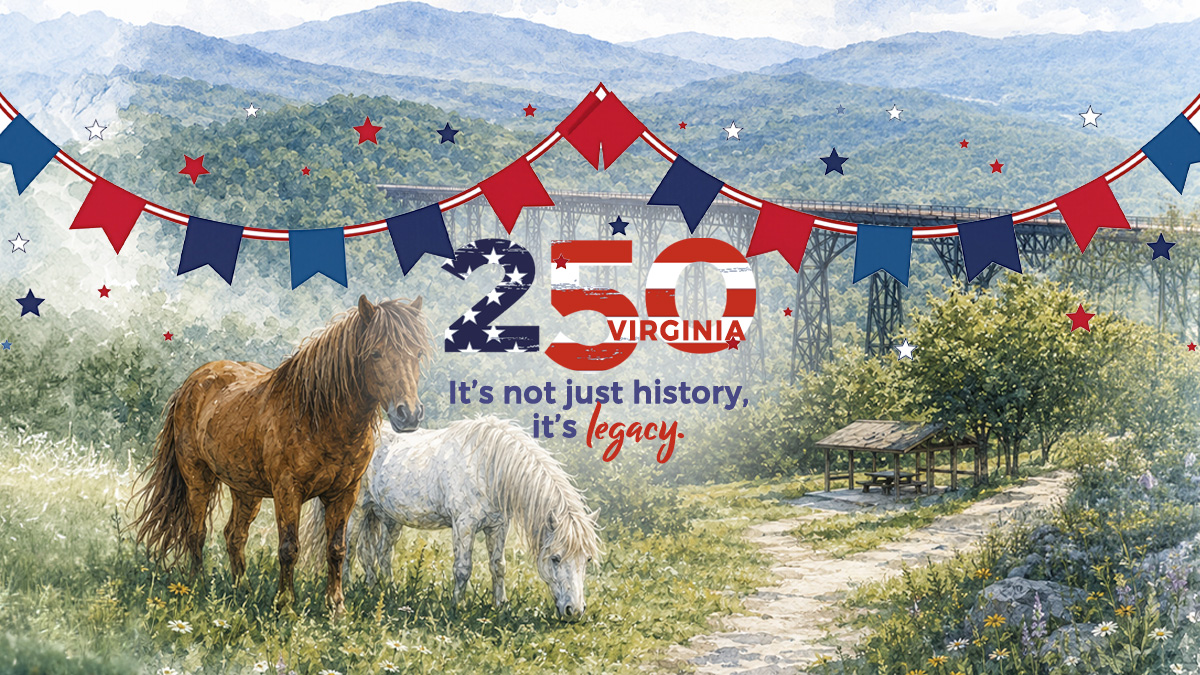
Few places in Virginia feel as wild and unforgettable as Grayson Highlands State Park. Located in the southwestern corner of the Commonwealth near Mount Rogers—the highest point in Virginia—the park is famous for its sweeping mountain vistas, rocky balds, and beloved wild ponies.
The ponies, which were introduced in the 1970s to help control vegetation in the highlands, have become one of Virginia’s most recognizable park attractions. Seeing these shaggy ponies grazing freely among the mountaintops feels almost like stepping into a storybook.
But Grayson Highlands offers more than picturesque scenery. The area is part of the Appalachian highlands, a region rich in biodiversity and natural history. The park’s unique ecosystem supports rare plants, spruce-fir forests, and cooler-climate species not commonly found elsewhere in Virginia.
For active families, the park offers exceptional hiking opportunities, including access to the Appalachian Trail and routes leading toward Mount Rogers. Along the way, homeschoolers can study geology, mountain weather patterns, wildlife habitats, and Appalachian culture.
Grayson Highlands also connects beautifully to Virginia’s musical heritage. The surrounding region helped shape traditional Appalachian music, crafts, and storytelling traditions, which remain an important part of the Commonwealth’s cultural identity.
Standing among the high mountain meadows, it becomes easy to understand why generations of Virginians have worked to preserve these landscapes for the future.
Discovering Virginia’s Natural Legacy
Virginia’s state parks remind us that history is not only found in museums and monuments—it also lives in rivers, trails, mountains, and open skies. These preserved landscapes tell stories of conservation, transportation, agriculture, exploration, and the enduring connection between people and the land.
As your family continues its Journey to 250, consider setting aside time to explore one of these remarkable parks together. Whether you’re watching stars emerge over Sky Meadows, crossing High Bridge, paddling the waters of Belle Isle, or spotting ponies in Grayson Highlands, you’ll be experiencing a living piece of Virginia’s legacy.
Ready to continue your family’s outdoor adventures? Virginia’s state park system includes dozens of parks across the Commonwealth, offering opportunities for hiking, camping, history, nature study, paddling, stargazing, and more. Explore all of Virginia’s parks and start planning your next field trip with the interactive park finder at Find a Virginia State Park.

Megan Mora Fuentes
Enjoy this article?
For more insightful homeschool related articles, living tips, and encouraging connections, visit our HEAV blog.