Ocean Science In Your Homeschool
There is something fascinating about the ocean. Covering more than 70 percent of Earth’s surface, it remains one of the least explored places on our planet. From glowing creatures in the deep sea to graceful jellyfish drifting through coastal waters, the ocean offers endless opportunities for homeschoolers to investigate science, geography, history, and environmental stewardship. Exploring ocean science can spark curiosity while helping children better understand the interconnected world around them.
Ocean Science Ecosystems
One of the easiest ways to begin an ocean study is by taking a virtual dive into marine ecosystems. The World Ocean Explorer is a free, interactive platform that allows students to explore ocean habitats, marine life, and ocean science through immersive digital experiences. Designed for learners of all ages, the resource combines stunning visuals, educational activities, and curriculum materials that make ocean exploration accessible from home.
Jellyfish: Masters of the Blue
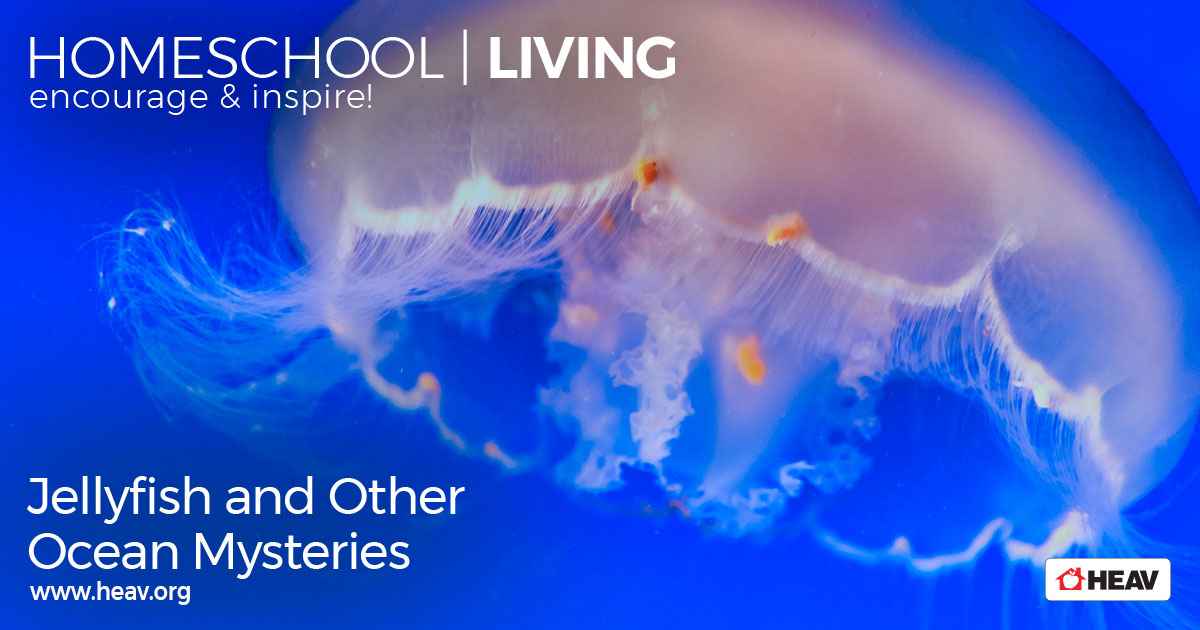
Jellyfish provide an especially engaging starting point for younger students. Despite their simple appearance, jellyfish manage to survive in the wide expanse of Earth’s oceans. They have no brain, heart, or bones, yet they are remarkably effective predators. Their transparent bodies and unusual life cycles make them an excellent subject for nature study and scientific observation.
Bring this lesson to life with a hands-on craft by creating a “Jellyfish in a Bottle.” Using a clear plastic bottle, water, and a plastic bag, students can build a model that mimics the floating movement of a jellyfish. As you work together, discuss buoyancy, ocean currents, and how jellyfish move through the water. This simple project provides a memorable visual demonstration of scientific concepts while encouraging creativity.
This Jellyfish Lapbook from Homeschool Share lets your student work through the lifecycle of a jellyfish and includes some fun reading recommendations for additional learning. Adding diagrams, drawings, and written narrations helps reinforce learning while incorporating language arts into your science study.
Ocean science naturally lends itself to cross-curricular learning. Younger students might practice measurement by comparing the sizes of different marine animals, while older students can explore ocean zones, marine food webs, or the role oceans play in regulating Earth’s climate.
Ocean Science and Marine Centers
If you’re looking for a field trip opportunity, consider visiting the Virginia Aquarium & Marine Science Center. The aquarium offers self-guided visits, educational boat tours, and homeschool programs that allow students to experience marine science firsthand through exhibits and hands-on learning opportunities.
Whether you spend a single afternoon learning about jellyfish or devote several weeks to a full ocean unit study, marine science offers countless opportunities for discovery. As your children investigate ocean mysteries, they will gain a deeper appreciation for the remarkable ecosystems that connect our world—and perhaps develop a lifelong curiosity about the wonders beneath the waves.

Megan Mora Fuentes
Enjoy this article?
For more insightful homeschool related articles, living tips, and encouraging connections, visit our HEAV blog.