(Not) Back-to-School: The Backyard
Everywhere But the Schoolroom: The Backyard Laboratory
In the third post in our (Not) Back-to-School series, we go outside! The backyard may not look like a classroom, but it’s one of the richest learning environments your family will ever explore.
One of the greatest gifts of homeschooling is the freedom to step outside whenever curiosity calls. A buzzing bee, a ripening strawberry, a patch of clover, or dark clouds gathering before an afternoon storm can spark questions that lead to science experiments, history lessons, math investigations, and meaningful conversations. Whether your family gardens, watches birds, raises chickens, or simply enjoys spending time outdoors, your backyard is a laboratory that’s constantly changing with the seasons.
The best part? You don’t need expensive equipment or elaborate lesson plans. All you need is a willingness to slow down, notice what’s happening around you, and wonder together.
Student Spotlight: Curious Captures
Every backyard has mysteries waiting to be discovered!
This week, become a nature detective. Take a close-up photo of something interesting you find outside—a leaf vein, tree bark, flower petal, insect wing, mushroom, feather, or anything else that catches your eye.
Then share your photo and challenge others to guess: What is it?
Tell us what you discovered, what questions you asked, or what you learned. We may feature a selection of backyard mysteries from our homeschool community in a future HEAV newsletter or on social media. Sometimes the best lessons begin with simply noticing something new.
Backyard Bees, Strawberries, and Dairy Cows
The backyard is also a wonderful place to explore science in action. Watching bees move from flower to flower naturally leads to conversations about pollination, ecosystems, and the important role these tiny creatures play in our world. HEAV’s Backyard Bees and Beekeeping introduces children to the fascinating work of bees and the science behind beekeeping.
Gardening offers another opportunity to watch learning grow. A small garden—or even a few plants in containers—can become a hands-on lesson in botany, nutrition, math, and responsibility. If your family enjoys growing fruits and vegetables, explore HEAV’s Strawberry Unit Study, which combines science, literature, and activities around one delicious summer favorite.
The outdoors also provides opportunities to learn about the larger world of agriculture. Homeschool Homestead: Cows and Dairy helps children discover the journey from pasture to table while exploring animal care, farming, and the science behind everyday foods.
Try It This Week! (Not) Back-to-School Homeschool Challenge
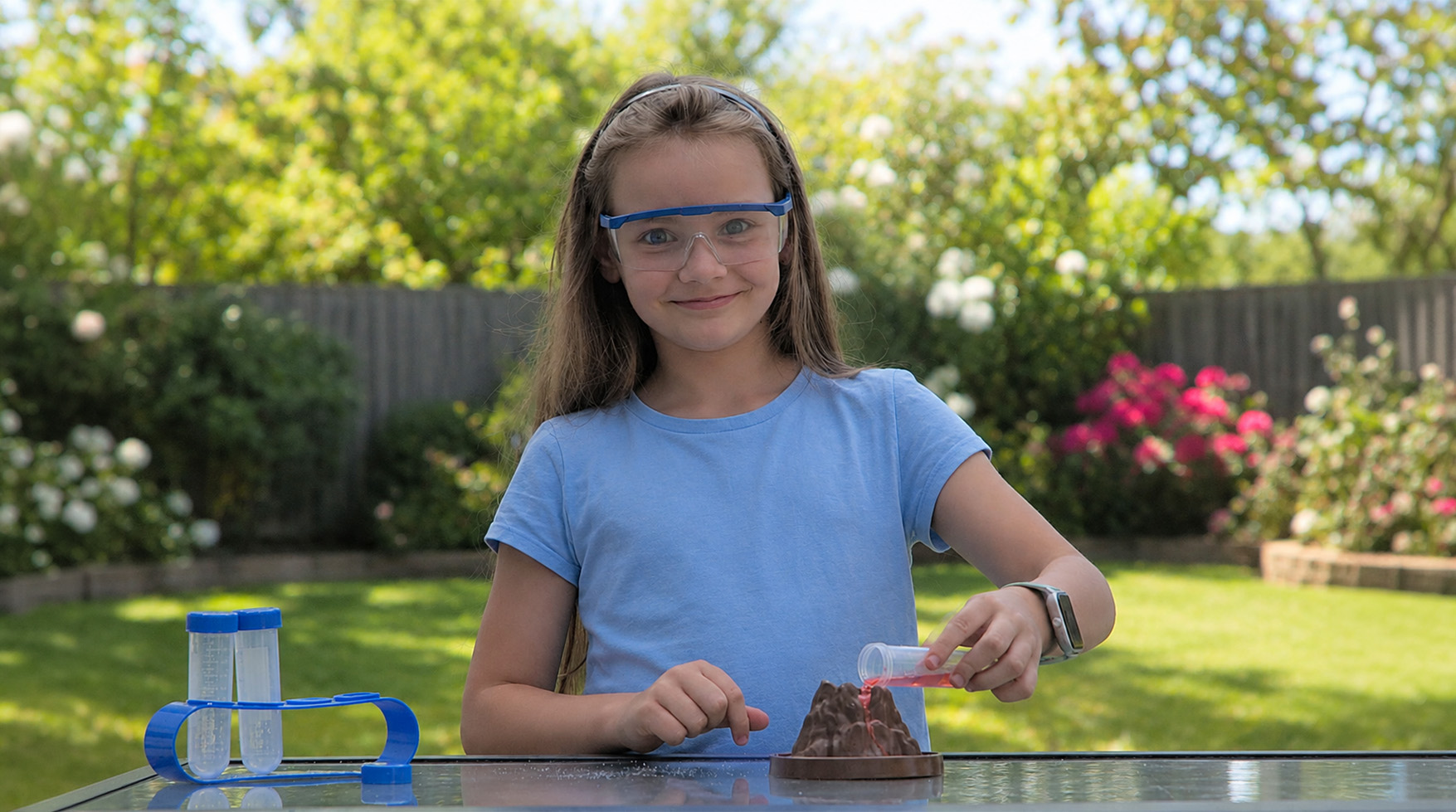
Become a Backyard Scientist
Scientists begin with observation, and your backyard is the perfect place to practice.
Spend fifteen minutes outside together and record:
- Something you noticed
- Something you measured
- Something you sketched
- Something that changed
- Something you don’t know—yet!
You might notice patterns in the weather, observe an animal’s behavior, measure a growing plant, or discover a creature you’ve never seen before.
Don’t worry about finding all the answers right away. The best discoveries often begin with a good question.
The backyard is a place where children learn to notice the details of the world around them—but those discoveries can also open the door to a much bigger understanding of the world we share. Caring for living things teaches responsibility, patience, and stewardship.
These everyday experiences help children see that learning isn’t just about collecting information. It’s about making connections—between nature and science, between our homes and our communities, and between the food on our tables and the farms that help provide it.
Exploring Virginia Agriculture
The best classroom you own is already outside your door.
Join Agriculture in the Classroom and turn your backyard into a living lesson plan. Math hides in a row of seeds. Science waits in a handful of soil. Language arts grows right alongside the tomatoes. Come learn hands-on ways to teach through agriculture and natural resources — no worksheets required — plus the free resources AITC offers to keep the adventure going long after the session ends.
Homeschooling reminds us that learning isn’t confined to a classroom—or even the rooms inside our homes. Sometimes the most memorable lessons happen with muddy shoes, curious questions, and a little time spent outside together.

Megan Mora Fuentes
Check out some nature-based lessons, outdoor activities, and hands-on exploration on our Pinterest page.
Enjoy this article?
For more insightful homeschool related articles, living tips, and encouraging connections, visit our HEAV blog.