In Session: Exploring the Legislative Process Through the Virginia General Assembly
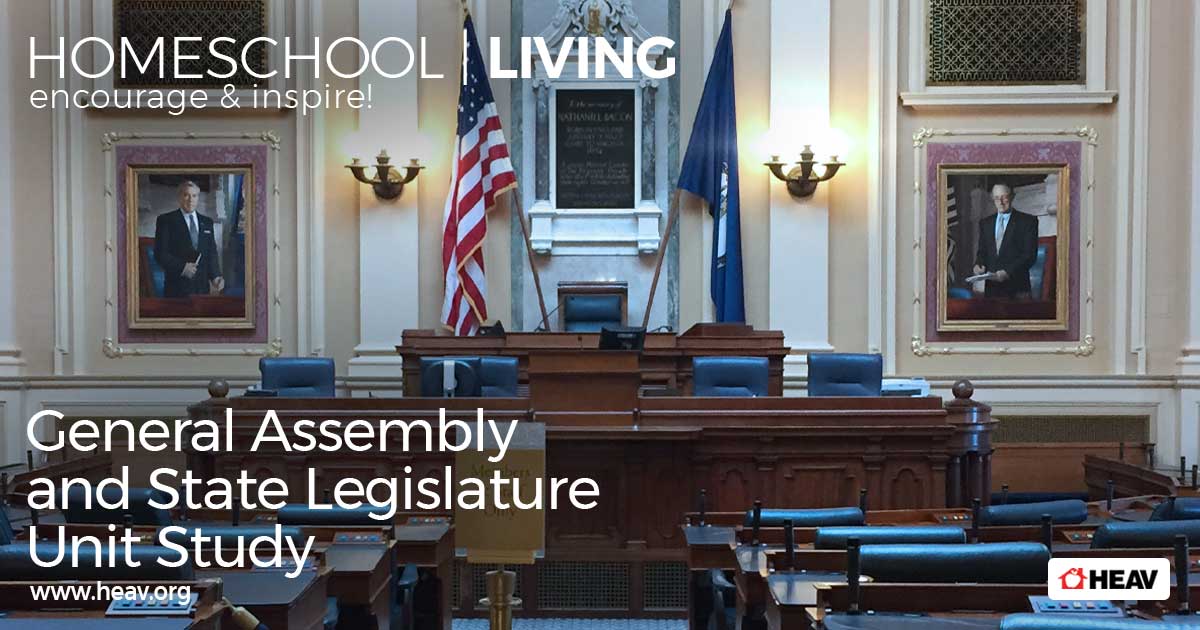
Each January, Virginia’s legislative session opens quietly but carries real weight for families across the Commonwealth. When the Virginia General Assembly convenes, it’s more than a civics lesson waiting to happen—it’s a reminder that homeschool freedom is something we steward, protect, and pass on. This season offers a timely opportunity to slow down, pay attention, and invite our students into both learning and participation.
Whether your children are just beginning to understand how laws are made or are ready to track real legislation, the General Assembly provides a living classroom—and this year, an especially important one.
Why This Session Matters for Homeschool Families
Homeschool freedom in Virginia didn’t happen by accident, and it doesn’t remain secure without ongoing involvement. Each legislative session brings proposals that can affect parental rights, educational choice, and home education directly or indirectly. One of the most meaningful ways we protect those freedoms is by staying informed and engaged—something we can model for our children in age-appropriate ways.
Inviting students into this process teaches more than government structure. It shows them that citizenship matters, that voices matter, and that families have a role to play in shaping the laws that affect their daily lives.
Start with the Big Picture
For younger students, begin with the basics of how laws are made and why we even have a legislative branch. Ben’s Guide to the U.S. Government offers colorful explanations, simple games, and interactive lessons that introduce the branches of government and the lawmaking process in a developmentally appropriate way.
Elementary and middle school students often enjoy interactive explanations, and Kids in the House, created by the Office of the Clerk of the U.S. House of Representatives, provides clear overviews of the legislative process and the role of representatives. While federal in focus, the concepts translate easily to state government discussions.
Dig Deeper with Real Virginia Legislation
Older students can take this study a step further by exploring the Virginia General Assembly website. Here, they can research their own delegates and senators, read bill summaries, and even watch livestreams of committee meetings and floor debates. Seeing real legislators debate real issues helps students understand that government isn’t abstract—it’s active and ongoing.
To broaden the comparison between state and federal lawmaking, Congress.gov allows students to search for federal bills by topic and follow their progress. Comparing how a bill moves through Congress versus the Virginia General Assembly makes for a strong upper-level civics discussion.
Connecting Learning to Action
This is where homeschool families have a unique opportunity. Part of HEAV’s mission is to promote and protect home education in Virginia, and that work happens most visibly during the legislative session. HEAV monitors bills, works with legislators, and keeps families informed so they can respond when needed. Checking HEAV’s legislative updates regularly is one of the simplest and most effective ways to stay engaged and prepared.
For students, this models responsible advocacy. For parents, it’s a reminder that defending homeschool freedom is not a once-a-year task—but a shared responsibility.
Creative Civics Projects
To bring everything together, consider a project-based approach. Storyboard That offers a teacher guide that walks students (grades 6–12) through creating a storyboard presentation explaining a bill they’ve researched. This blends government, writing, and visual storytelling into one meaningful assignment.
For parents looking for philosophical grounding, Dr. Arthur Robinson’s article “Teaching Government Right” offers thoughtful insight into why government education belongs in a homeschool curriculum—and how to teach it well.
The Virginia General Assembly session convenes today. This year, let it be more than background noise. Let it become a shared homeschool experience—one that teaches your children how laws are made, why engagement matters, and how families help safeguard the freedom to educate at home.

Megan Mora Fuentes
Enjoy this article?
For more insightful homeschool related articles, living tips, and encouraging connections, visit our HEAV blog.