
Public Funding and Other Bills
We are into the fourth week of the 2026 60-day legislative session.
Legislative Snapshot:
- The last day for general bill submissions was Friday, January 23.
- To date, your HEAV legislative team has reviewed 2,612 bills, prioritizing and monitoring those that could impact the homeschool community as they move through the legislative process.
- HEAV remains present with boots on the ground, meeting with legislators, building relationships, and advocating on your behalf.
- February 18 is Crossover—the deadline for each body to transmit most legislation to the opposite body for consideration. Any bills that are not acted upon or transmitted do not advance. Bills can be returned to the body of origin if they’re amended by the opposite body (with some exceptions).
- Remember to sign up for HEAV’s Day at the Capitol
Homeschool-Related Legislation
Currently Moving Through Committees:
HB534: Students who receive home instruction; teacher evaluation letter of student academic progress.
Carried by newly elected Delegate Karen Hamilton, HB534 proposes to change the credentials required for an evaluator from a master’s degree to a bachelor’s degree.
HB1204 and SB733: Local governing bodies; appropriations of local school funds to families for compulsory student attendance in nonpublic school settings.
Companion bills HB1204, introduced by Delegate Phillip Scott (R-parts of Orange and Spotsylvania Counties) and SB733, introduced by Senator Glen Sturtevant (R-Colonial Heights and parts of Chesterfield County), allow local governments to allocate a portion of state education funding to families who meet Virginia’s compulsory attendance requirements and educate their children in nonpublic settings. While the bills provide access to public funds for homeschooling families, they do not impose regulations on how families operate their homeschools at this time.
Passed by Indefinitely (PBI):
SB732: Income tax; nonpublic and public school tax credits.
Another bill introduced by Senator Glen Sturdevant, SB732, would have created a refundable tax credit exclusively for homeschool families residing in Planning District 15. On 01/28/26, the Senate Finance and Appropriations Committee voted to pass the bill by indefinitely*.
*A bill that has been PBI may be reconsidered at a later meeting. However, if it does not receive further action, the bill is “dead.”
An Important Caution
Public funding carries regulatory risk, and perhaps no more recent example illustrates this better than HB359.
Introduced by Delegate Dan Helmer (D–Fairfax County), HB359 subjects private schools to a comprehensive public school-style regulatory framework if it enrolls even one student receiving public education assistance.
Among the many requirements and concerns, the bill mandates private schools abandon curriculum freedom to align with SOL standards, use and finance SOL tests for all students, provide opt-outs from religious instruction, comply with nondiscrimination rules while supporting students’ identities and accommodations, and become subject to superintendent audits, inspections, site visits, fines, with loss of eligibility and admission freedom for noncompliance.
Private schools face a critical choice under this bill—sacrifice their identity and independence or turn away more than 5,000 students who rely on public funding. In the end, children suffer the most from this bill.
Private schools and homeschool families have a distinct place in education because their independence flows from parental authority and private self-governance, not from government oversight.
HB 359 demonstrates that accepting public funds endangers the fundamental freedom, independence, and family-centered nature of private education—with homeschool families feeling the impact at their own kitchen tables.
As a harbinger of things to come, homeschool families should take note that parental rights and educational freedom depend on families retaining authority, responsibility, and financial independence in directing their children’s education. Families must carefully consider the long-term consequences of accepting public funds, even if initially offered without new restrictions.
HEAV will continue to provide timely and relevant information and updates as this year’s legislative session progresses.
Stay tuned!
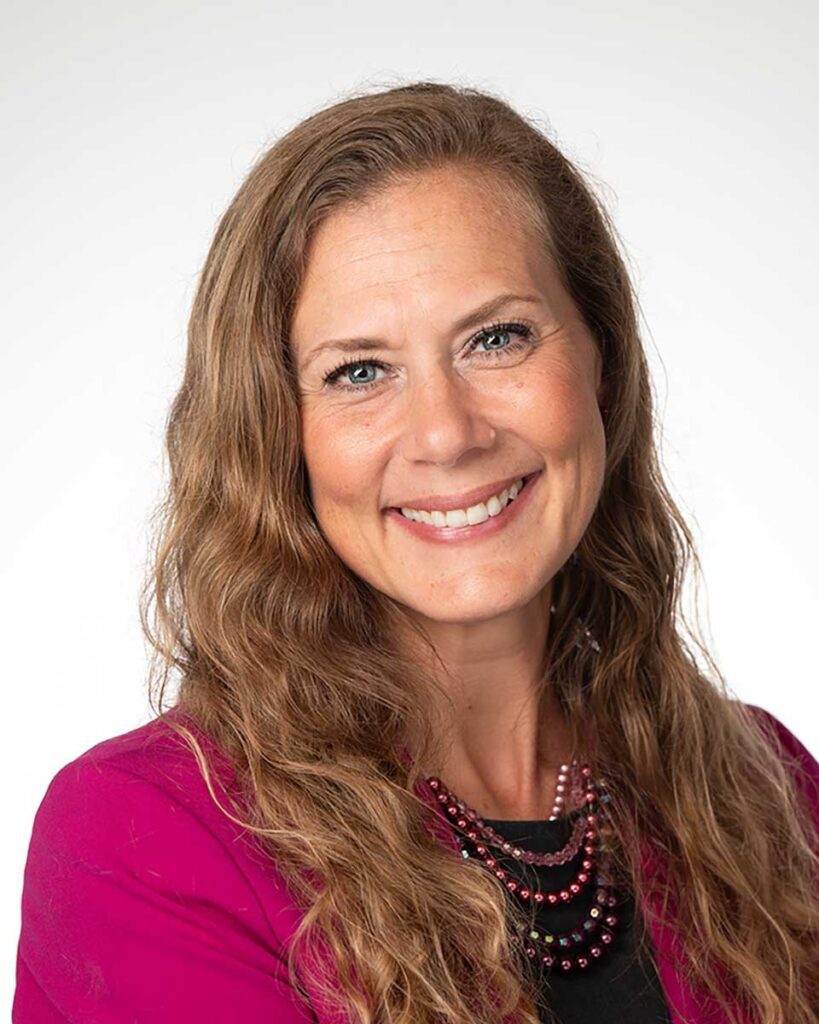
With warm regards,
Callie Chaplow
HEAV Director of Government Affairs
P.S. Here are two handy links to keep at your fingertips.
Who is my legislator? Get the contact information you need
Capitol Classroom: A quick refresher on how things work at the general assembly—for your kids and for you!