Homeschool Special Needs Conference

Especially Designed for Parents of Struggling Learners

Special Needs Conference

For Children Who Need Extra Help

If you have a child who has–or you suspect may have–a learning disability or special need, come to the convention for support, resources, and information provided by homeschool parents who have walked this path! 

The convention is held June 4 to 6, 2026, at the Greater Richmond Convention Center.

The conference is included with your paid full-convention registration.

Just the Special Needs Conference – $69

If you choose, you may register for the Special Needs Conference only to attend all the workshops on this page and have access to Exhibit Hall Premier from 5 p.m. to 8 p.m. on Thursday.  

Do you have a struggling learner?

Come to the Special Needs Conference – Only at the Convention

THURSDAY, JUNE 4, 2026, 10 A.M. TO 5 P.M.  
Keynote Room E-10
Workshops in Ballroom

If you are homeschooling a child with a special need or learning difference—or who just struggles to “get it”–you are not alone! The Special Needs Conference is an all-day seminar with its own keynote, three separate breakout sessions, a resource fair, and more.

Beakers & Bricks/Edible Knowledge
offers print and self-paced online experiment-based food science and physics courses for K-12 under the Edible Knowledge brand, including special needs options and a popular 60+ course cooking and baking series using food science.

Meet Our Special Needs Speakers.

Jessica Parnell

Welcome Jessica Parnell, our Keynote Speaker!

Jessica Parnell, CEO of Edovate Learning Corp, is a national advocate for “learning without walls” and the author of the Unlocking Your Child’s Genius series. Continue here for her full biography.

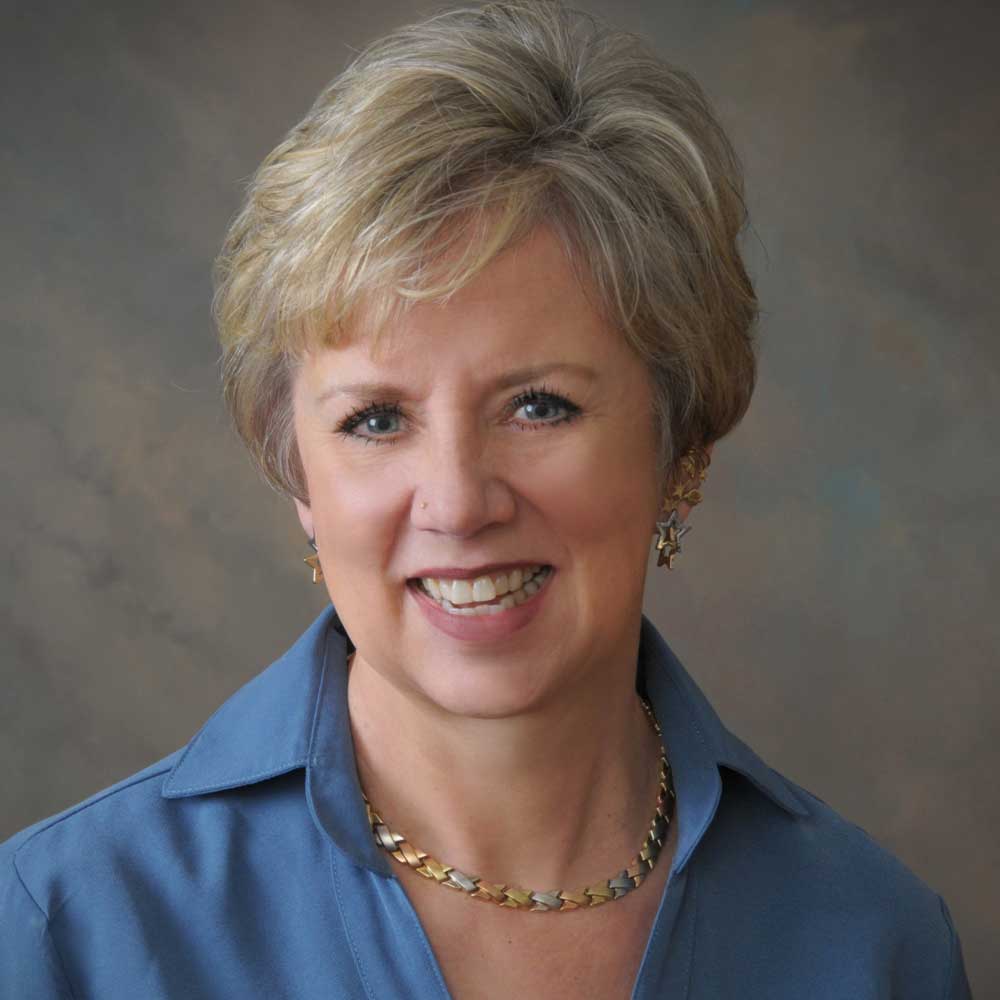
Carrie De Francisco

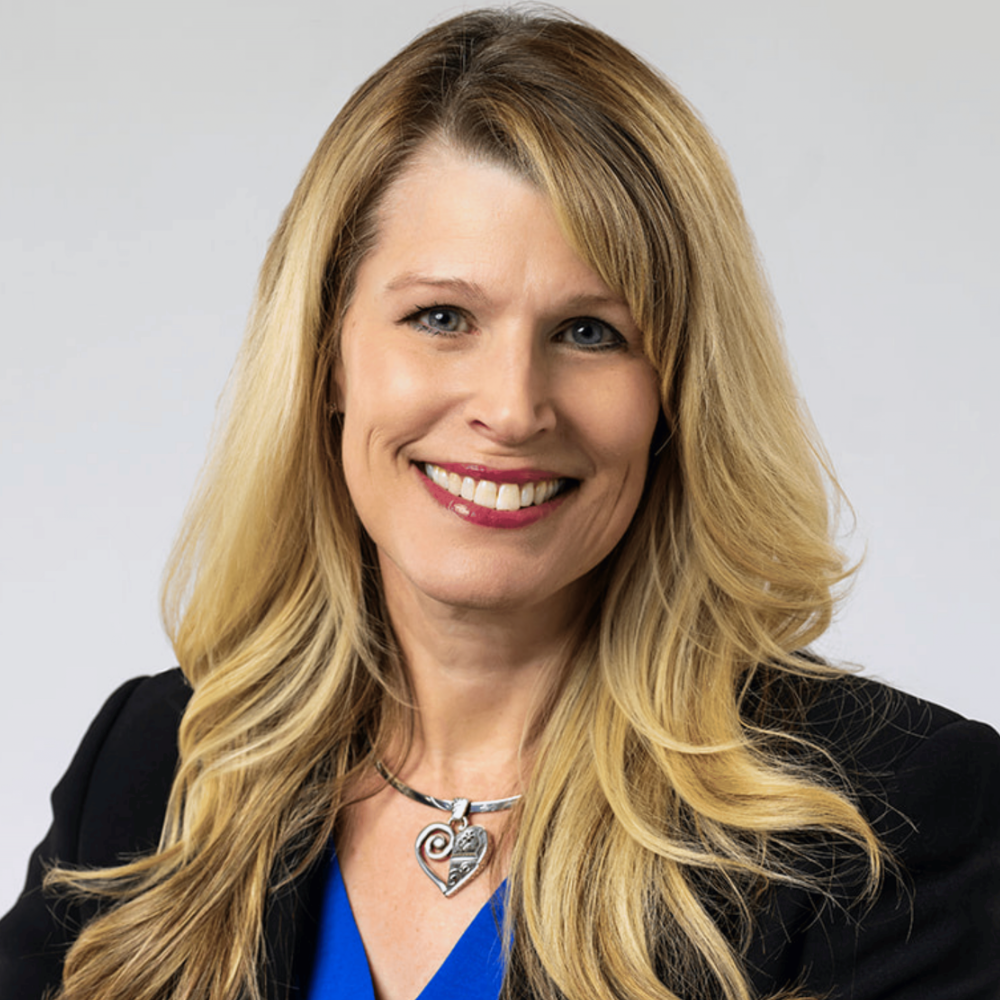
Aimee Eucee

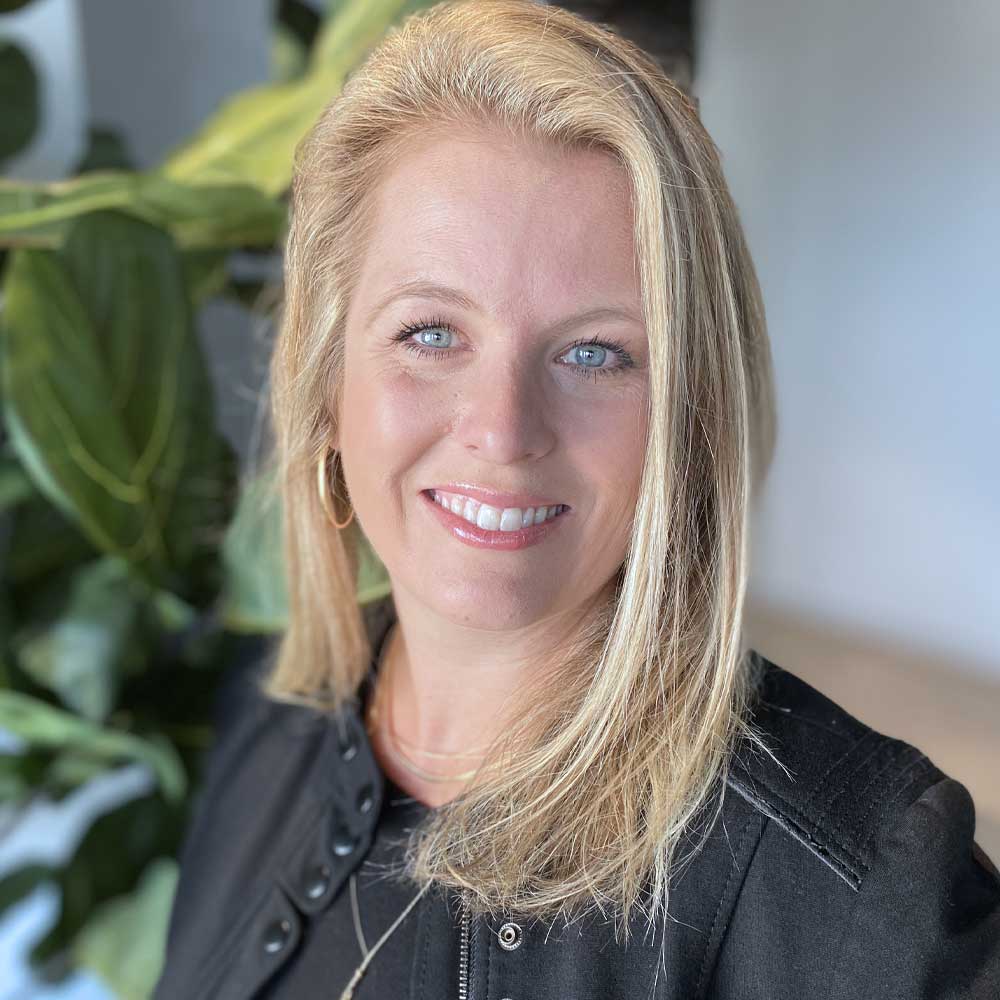
Hal & Melanie Young

Speaker topics coming soon!

Special Needs Conference Workshops

  • Empowering Your Neurodiverse Learner: Strategies for Success and Independence ~ Jessica Parnell, Room E-10

Join us for an empowering workshop designed to help you create a supportive and effective learning environment for your neurodiverse child. You’ll discover practical strategies for building resilience, fostering independence, and nurturing a positive mindset in your learner. Learn how to tailor instruction to your child’s unique needs, incorporate multisensory techniques, and encourage self-advocacy. Plus, get expert tips on time management, organizing your homeschooling day, and accessing helpful technologies and community resources.

Breakout workshops are in Rooms B-15 through 17. Check the schedule for the location!

  • Homeschooling with Dyslexia: It’s a Gift! ~ Carrie de Fransisco
    Did your child have a terrible, horrible, no good, very bad (homeschooling) day… again? If you have a child who struggles with schoolwork, reading, and/or concentration, you have probably had more than a few of these challenging days. Whether your child is dyslexic, has attention issues, or is just a late bloomer, homeschooling moms often feel like they are either not doing enough or not doing things the right way. Dyslexia is not a deficiency; it is a gift (even though it may not feel like it at times). Kids with dyslexia learn differently, so they need to be taught differently. In this session, I share the struggles, challenges, triumphs, and miracles I experienced while homeschooling my dyslexic child, as well as teaching strategies that can be used with your own struggling student.
  • You’re Not Alone: Homeschooling Special Needs with Confidence ~ Aimee Euccee
    This is an interactive session designed for families who want real answers to real-life challenges. Whether your child struggles with reading, spelling, focus, or motivation‚Äîor you’re simply wondering if you’re doing enough‚Äîthis workshop gives you the chance to ask your biggest questions and hear practical, hope-filled guidance. To help get the conversation started, we’ll also cover some of the most common struggles special needs families face, like balancing multiple children, finding the right curriculum, and keeping learning joyful. You’ll walk away encouraged, connected, and equipped with strategies you can use right away, plus the reassurance that you’re not alone in this journey. Taught by a second-generation homeschool mom who struggled with Dyslexia, an Auditory Processing Delay, and ADHD, who is now teaching her neurodivergent kids ‚Ķ these are lessons learned from the trenches!
  • Dyslexia, ADHD, Autism & More: Learn to Read and Spell With Confidence! ~ Aimee Euccee
    Discover the tried-and-true strategies that can transform how your exceptional learner engages with their education. Say goodbye to frustration and hello to progress! Backed by the latest neuroscience, it’s actually much easier than you think! Taught by a second-generation homeschool mom who struggled with Dyslexia, an Auditory Processing Delay, and ADHD, who is now teaching her neurodivergent kids ‚Ķ these are lessons learned from the trenches!
  • From Overwhelm to Overjoyed: Mastering Time Management for Special Needs Homeschooling ~ Candice Dugger
    Feeling disorganized and overwhelmed? This workshop is designed for parents seeking to bring order to their homeschool day. Learn to implement visual schedules, timers, and strategies to balance therapy, manage meltdowns, and prioritize self-care. Attendees will gain practical tools to create a structured yet flexible homeschool environment that supports both parent and child. B Thursday special needs
  • Entrepreneurship as Part of Your Special Needs Child’s Homeschool Journey: Turning Passions into Possibilities ~ Candice Dugger
    This workshop inspires parents to help their special needs child transform their interests—such as art, technology, or other passions—into entrepreneurial ventures. Attendees will learn accessible adaptations and practical steps to guide their child toward building skills and confidence through entrepreneurship. The session will provide actionable ideas and resources tailored to diverse learning needs, empowering families to turn possibilities into realities.
  • Auditory Processing and Memory ~ Pamela Gates
    Do you have a child you suspect has an auditory processing problem? Become your child’s own diagnostician as you identify, bypass, and correct auditory processing problems with your child at home. There are ten auditory channels. Some channels affect academics (reading, phonics and sight words, spelling, and math), while others affect everyday life (is easily confused, misunderstands verbal information or sequencing, is hearing own silent thinking voice, can’t think with background noise, has poor working memory, demonstrates speech delay or articulation issues). Learn to identify the exact auditory channels that are affected. Learn to bypass the auditory learning glitch by using your child’s natural photographic memory, and learn how to correct the auditory glitch by using the proven methods of brain integration therapy at home. Find out what common foods can be contributing to your child’s articulation issues by causing him to hear sounds “like underwater.” MIT research shows that targeted nutritional interventions (such as using the correct amounts of essential fatty acids and a special supplement called lecithin) often greatly improve memory in children and adults.
  • The Biology of Behavior: Understanding the Connection Between the Brain and Gut ~ Pamela Gates
    Johnny is a constant motion machine. Tom cries in frustration over minor matters. Susie forgets what she has just learned. According to Dr. Sydney Walker, children tend to “act how they feel.” This fascinating workshop provides you with clues to your child’s brain/body chemistry. William Crook, MD, has found that over 85% of children who suffer with sensory processing disorders or attention or mood disorders when older, have experienced multiple ear infections when young. Untreated, these children often go on to have many hidden food allergies and asthma. It is easy to correct these imbalances at home and dramatically affect your child’s learning day. The testimonies that we receive from parents across the United States who are using these simple remedies with their children are amazing!
  • Help! My Kid Just Doesn’t Get Math ~ Kate Hannon
    Have a child who just doesn’t seem to get math? Does memorizing multiplication facts feel like an impossible feat? How do you prepare your child for algebra and high school math? Come be encouraged and equipped to help your child make sense out of math. Kate has both researched math for more than two decades and experienced the overwhelming seeming impossibility of teaching a child math whose brain didn’t learn traditionally (and the joy of finding ways that worked).
  • Parenting ADHD Kids When You Have ADHD Too! 5 Strategies for Managing Family Chaos ~ Dr. Amy Moore
    It’s twice the challenge to raise a child with ADHD when you have ADHD as well. Dr. Amy Moore is a cognitive psychologist, an ADHD mom, and a mom with ADHD who understands this dynamic. Combining brain science with expert parenting insight, she outlines five strategies for managing the double-ADHD dynamic at home, including practical tips for the school day, bedtime, meltdowns, and your own sensory needs. Whether you have a formal diagnosis or simply suspect ADHD in both of you, this workshop is for you.
  • Hacking the ADHD Brain: 5 Influences on Your Child’s Behavior & Learning ~ Dr. Amy Moore
    In this neuroscience-based talk, cognitive psychologist Dr. Amy Moore will share tips for understanding and helping children with ADHD. She will reveal surprising facts about the ADHD brain that will help homeschooling parents better connect with and teach kids who struggle with ADHD. With humor and real-life examples, Dr. Amy will ask you to examine five areas of influence on your child’s behavior and learning, including sleep, nutrition, physical activity, emotion regulation, and cognitive skills. You’ll learn tips for optimizing each of these areas to reduce some of your child’s struggles with behavior and learning.
  • Empowering Your Neurodiverse Learner: Strategies for Success and Independence ~ Jessica Parnell
    Join us for an empowering workshop designed to help you create a supportive and effective learning environment for your neurodiverse child. You’ll discover practical strategies for building resilience, fostering independence, and nurturing a positive mindset in your learner. Learn how to tailor instruction to your child’s unique needs, incorporate multisensory techniques, and encourage self-advocacy. Plus, get expert tips on time management, organizing your homeschooling day, and accessing helpful technologies and community resources.
  • What Gifted Kids Really Need ~ Hal & Melanie Young
    We may hope our kids are really smart, but what happens when they are? It’s intimidating homeschooling a kid who’s racing ahead and seems to need more. Can you really meet his needs or would he be better off with professionals? How can you help her fit in socially? Should he graduate early or not? Hal & Melanie both went through gifted programs in school and now, having raised precocious children of their own, they have the insider’s perspective about the academic, social, and spiritual needs of talented kids. Learn how to teach, parent, and enjoy your bright kids!
  • Empowering Your Neurodiverse Learner: Strategies for Success and Independence ~ Jessica Parnell, Room E-10

Join us for an empowering workshop designed to help you create a supportive and effective learning environment for your neurodiverse child. You’ll discover practical strategies for building resilience, fostering independence, and nurturing a positive mindset in your learner. Learn how to tailor instruction to your child’s unique needs, incorporate multisensory techniques, and encourage self-advocacy. Plus, get expert tips on time management, organizing your homeschooling day, and accessing helpful technologies and community resources.

Breakout workshops are in Rooms B-15 through 17. Check the schedule for the location!

  • Fostering Executive Function Skills in Children & Teens ~ Dr. Rochelle Matthews-Somerville

Practical ways to nurture emotional regulation, empathy, and social skills through homeschool activities and everyday interactions.

  • The Sensory-Balanced Mom ~ Sarah Collins

As homeschool parents, we constantly prioritize our children’s well-being, including their sensory needs. We often wonder about the factors influencing their ability to sit and focus, their clothing preferences, and their food choices. However, it’s crucial to recognize that our own sensory needs play a significant role in shaping theirs. In this insightful seminar, we will explore all eight sensory systems and then provide practical tips and strategies to enhance our own sensory regulation, creating a positive trickle-down effect on our kids. Together, we’ll learn how to foster a nurturing environment that supports sensory growth and overall well-being for all. Don’t miss this unique opportunity to empower yourself as a homeschool parent and boost your child’s sensory development!

  • Revolutionizing Education for Special Needs Students ~ Gretchen Roe

“Special needs” has become a catch-all term for children who don’t fit the “norms.” But what should you do when your child doesn’t learn like other children? Join Gretchen Roe for some practical advice on how to modify goals and expectations and then adapt your curriculum to help your atypical learner succeed. Don’t move the goal. Modify the play.

  • High School  Strategies for Maximum Independence in Adulthood ~ Stephanie Buckwalter

If your child is way behind grade level, you may wonder, “What will we do after graduation?” No need to panic. You can focus on those skills that will lead to maximum independence in adulthood, whether that’s independent on their own or independent at home.

Breakout workshops are in Rooms B-15 through 17. Check the schedule for the location!

  • Embracing Risky Play in Homeschooling: Fostering Growth and Confidence ~ Sarah Collins

As homeschool parents, providing a well-rounded education for our children often means stepping outside the box. This workshop will delve into the concept of risky play—a crucial, yet often misunderstood, aspect of childhood development. Research divides risky play into eight different forms, all involving activities that allow children to experience a healthy amount of risk and challenge. These activities help children build confidence, resilience, and problem-solving skills, all of which are essential for their overall growth. Led by an occupational therapist, former recreational therapist, and fellow homeschool mom, this session will define risky play, provide tips and tricks to ease our parental struggle, and ways to adapt risky play with respect to each child’s unique abilities and limitations.

  • Taming the Fire: Managing Big Emotions in ADHD ~ Dr. Amy Moore

From sad to mad and everything in between, kids with ADHD have big emotions! In fact, emotions in kids with ADHD are usually more intense, more frequent, and longer lasting than emotions in kids without ADHD. In this workshop, cognitive psychologist Dr. Amy Moore will reveal why kids with ADHD have such big emotions. Then, using neuroscience and a little humor, she will share some ways to lower the temperature on outbursts, anger, anxiety, and rejection sensitive dysphoria. You will leave with seven brain-based, heart-focused strategies for parenting a child with big emotions.

  • Hope for the Weary ~ Stephanie Buckwalter
    God has a purpose for each person, no matter their level of ability or disability. When you focus your homeschooling on shaping your child’s character and talents to fulfill the three circles of purpose (based on Genesis chapter 2), every day can be a win—even if academics are a struggle. Come, be refreshed and know that your homeschooling efforts are not in vain.
  • Unlock the Hidden Secrets Between Reading and Spelling ~  Gretchen Roe

Does your child ace Friday’s test and then spell the same words wrong the following week? What if they have no spelling skills at all? Why does reading comprehension not lead to spelling proficiency? Come learn how neuroscience teaches us to join the paths of reading and spelling and create one seamless, literate journey—and why traditional spelling methods often are frustrating and less than successful.
Breakout workshops are in Rooms B-15 through 17. Check the schedule for the location!

  • Math Made Accessible: Teaching Kids with Learning Differences ~ Nicole Thomas

Unlock the potential of every student! This workshop provides practical strategies and tools designed to support diverse learning needs, ensuring that math is understandable and enjoyable for all. Join us to learn how to adapt your teaching methods and create an inclusive environment where every child can thrive in math.


  • What Are Executive Functioning Skills? ~ Sarah Collins

What is this function you speak of? Executive functioning skills are defined as the “brain-based skills needed to effectively execute or perform tasks and solve problems.” As with most skills, there is a range; not everyone needs to complete the same tasks on a daily basis. But, there must be a match between the environment, expectations, and abilities of a person.
This class will 1) define executive functional skills, 2) explain why they can be hard for some people, and 3) give helpful solutions to use the homeschool to help your children build these skills.

  • Embrace Your Child’s Strengths: Let Go of Comparisons ~ Rachel Anderson

Raising a child with learning differences presents unique challenges, but it also offers an incredible opportunity to recognize and nurture exceptional strengths. In this workshop, you will learn how to shift the focus from your child’s limitations and societal pressures and focus on understanding your child’s potential. We will explore ways to let go of unnecessary expectations and uncover your child’s authentic strengths, learning styles, and interests, creating a more positive, supportive learning environment.

  • Defining Scope and Sequence for the Special Needs Child ~ Stephanie Buckwalter

When teaching a neurotypical child, you can often just use the curriculum’s table of contents for your scope and sequence. But what happens when your child moves slower than that—even much slower? You have to set your own scope and sequence. This is the key to a successful school year, one where you don’t give up months—or even weeks—into the school year.

Special Needs Resource Fair Exhibitors

Special Needs Resource Fair 10 a.m. to 4 p.m.
Meet with exhibitors who provide specific products and services for children with special needs or learning differences!

We are still confirming our resources! The Resource Fair exhibitors’ list is growing. Check back for more!

Would you like to exhibit at the Special Needs Resource Fair? 

The Resource Fair is full for 2026, but you can click here to apply for consideration for 2027.

Welcome Tours and Q&A

Welcome Tours and Q&A – 11 a.m. to 3 p.m.
Look for the “Welcome Tours” sign in the hallway and meet up with our welcome guides for a tour of the convention center. You can also stop by the HEAV Tables for answers to any homeschooling or convention question!

Outside Room E-10 (near the escalators)
11 a.m.*
1 p.m.
3 p.m. 

*Spanish tour guides available E-10.
*Guías turísticos españoles disponibles E-10.

Thank You to Our Special Needs Sponsor!

LearningRx is dedicated to finding the root cause of learning and processing difficulties. Then, they work one-on-one with the student using research-based, fun, challenging mental exercises to target and strengthen identified deficits.

Already registered for the convention?

Request to add an event to your registration here.

Questions? Call the HEAV office, Monday through Friday, 10 a.m. to 4 p.m. at 804-278-9200.

Convention Sponsors

Many thanks to our convention sponsors!

They have invested heavily in homeschool families—in YOU—to help keep our convention prices as low as possible and support homeschooling in Virginia. Please join us in thanking them for their generosity!